Effective classroom management is essential in creating positive learning environment for all students with minimal disruptive behaviours. Research suggests that students with diverse learning needs, including students on the autism spectrum, benefit from structured teaching and environments that cater to their sensory needs. The practices in these series provides teachers with tools and techniques create calmer classrooms that are accessible and engaging to diverse learners.

Organise your classroom (Secondary)
TEACHING PRACTICE
For student years
Secondary
Helps students to
- access all classroom areas
- transition smoothly

Actively supervise your class
TEACHING PRACTICE
For student years
Primary
Helps students to
- feel safe and secure
- meet behavioural expectations

Actively supervise your class (Secondary)
TEACHING PRACTICE
For student years
Secondary
Helps students to
- feel safe and secure
- meet behavioural expectations

Use visual schedules (Secondary)
TEACHING PRACTICE
For student years
Secondary
Helps students to
- transition smoothly
- understand expectations
- learn new concepts

Establish classroom expectations (Secondary)
TEACHING PRACTICE
For student years
Secondary
Helps students to
- know what is expected
- understand consequences

Consistently use routines and schedules (Secondary)
TEACHING PRACTICE
For student years
Secondary
Helps students to
- feel less anxious
- transition smoothly
- know what is coming next

Consistently use routines and schedules
TEACHING PRACTICE
For student years
Primary
Helps students to
- feel less anxious
- transition smoothly
- know what is coming next
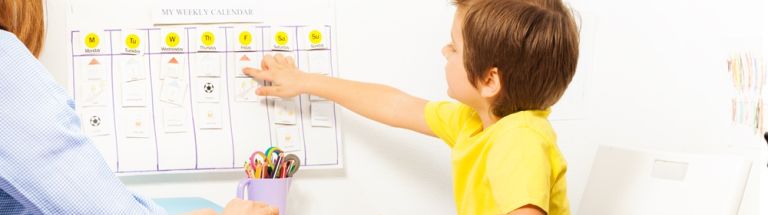
Prepare children for transitions (Early Childhood)
TEACHING PRACTICE
For student years
Early Childhood
Helps students to
- manage transitions
- decrease anxiety during transitions
- increase engagement

Structure tasks using work systems
TEACHING PRACTICE
For student years
Primary
Helps students to
- plan and organise
- build independence
- understand expectations