The social and emotional wellbeing of students can strongly impact learning outcomes. Many diverse learners can find social activities challenging. These social and emotional wellbeing practices focus on social skill development, regulating emotions, and coping strategies for an overwhelmed state.

Embed opportunities for choice making
TEACHING PRACTICE
For student years
Primary
Helps students to
- make decisions
- build independence

Embed opportunities for choice making (Early Childhood)
TEACHING PRACTICE
For student years
Early Childhood
Helps students to
- make decisions
- build independence

Embed opportunities for choice making (Secondary)
TEACHING PRACTICE
For student years
Secondary
Helps students to
- make decisions
- build independence

Harness learner interests (Early Childhood)
TEACHING PRACTICE
For student years
Early Childhood
Helps students to
- be more engaged
- be motivated to learn and participate
- increase learning opportunities

Harnessing student interests
TEACHING PRACTICE
For student years
Primary
Helps students to
- be more engaged
- focus across topics

Harnessing student interests (Secondary)
TEACHING PRACTICE
For student years
Secondary
Helps students to
- be more engaged
- focus across topics
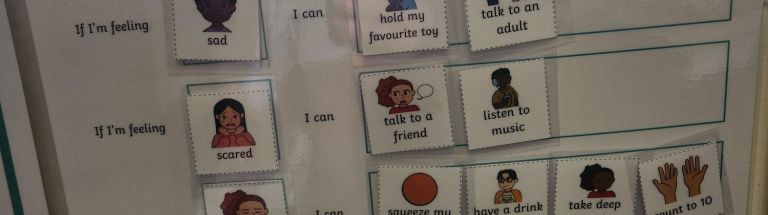
Model emotional literacy
TEACHING PRACTICE
For student years
Primary
Helps students to
- identify and respond to emotions
- regulate emotions
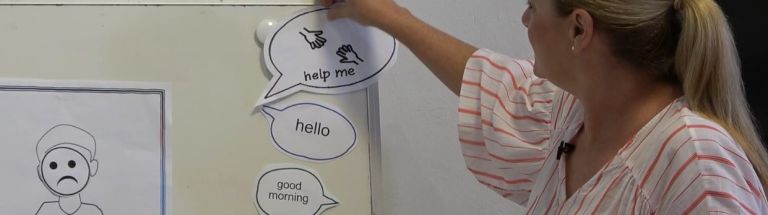
Model emotional literacy (Early Childhood)
TEACHING PRACTICE
For student years
Early Childhood
Helps students to
- feel secure and included
- identify and respond to emotions
- regulate emotion

Model positive interactions
TEACHING PRACTICE
For student years
Primary
Helps students to
- build social-awareness
- interact with others
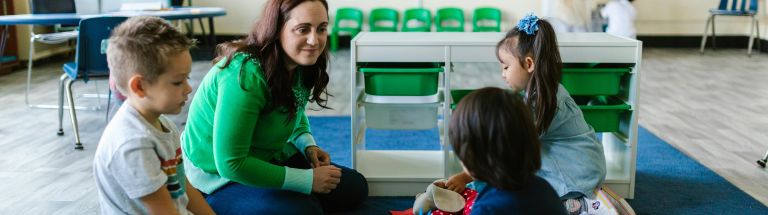
Model positive interactions (Early Childhood)
TEACHING PRACTICE
For student years
Early Childhood
Helps students to
- build social-awareness
- interact with others
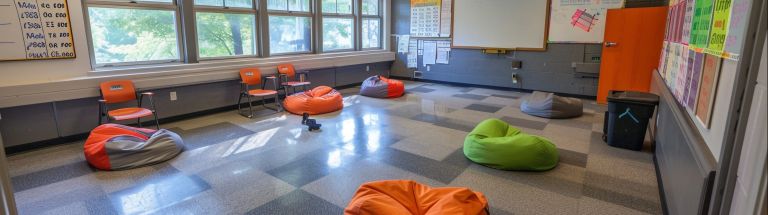
Provide a safe calm space for students
TEACHING PRACTICE
For student years
Primary
Helps students to
- learn self-regulation
- reduce behavioural dysregulation

Provide a safe calm space for students (Secondary)
TEACHING PRACTICE
For student years
Secondary
Helps students to
- learn self-regulation
- reduce behavioural dysregulation
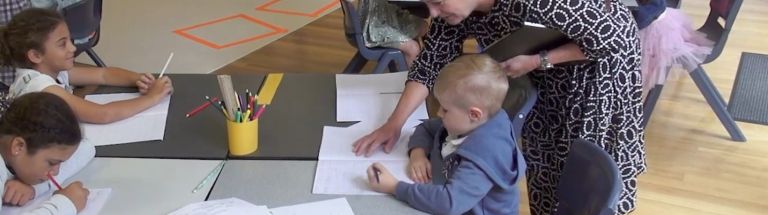
Provide feedback on learning & behaviour
TEACHING PRACTICE
For student years
Primary
Helps students to
- stay motivated
- remain on-task for longer
- feel valued

Provide feedback on learning & behaviour (Early Childhood)
TEACHING PRACTICE
For student years
Early Childhood
Helps students to
- stay motivated
- remain on-task for longer
- feel valued
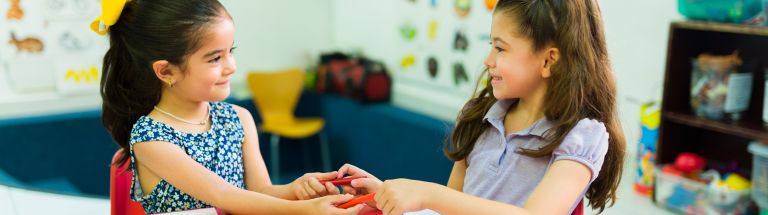
Support friendship skills (Early Childhood)
TEACHING PRACTICE
For student years
Early Childhood
Helps students to
- interact with peers
- participate in activities
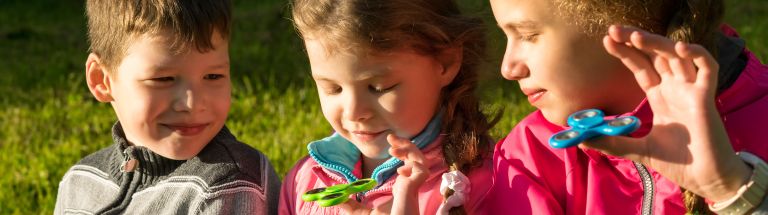
Supporting students to detect their own emotions from body clues
TEACHING PRACTICE
For student years
Primary
Helps students to
- recognise body clues
- identify emotions
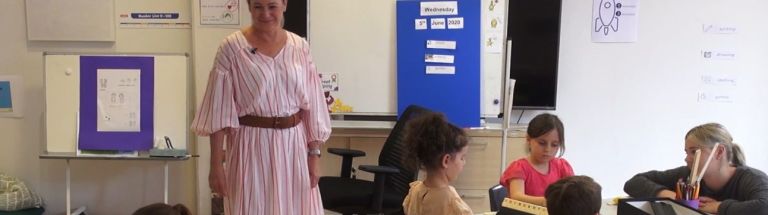
Teach self-regulation
TEACHING PRACTICE
For student years
Primary
Helps students to
- regulate their feelings
- regulate their behaviour
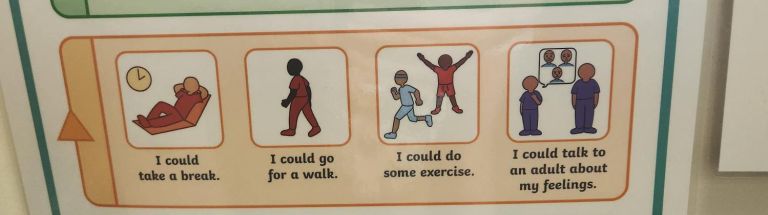
Teach self-regulation (Early Childhood)
TEACHING PRACTICE
For student years
Early Childhood
Helps students to
- regulate their feelings
- regulate their behaviour
- feel safe, confident and included
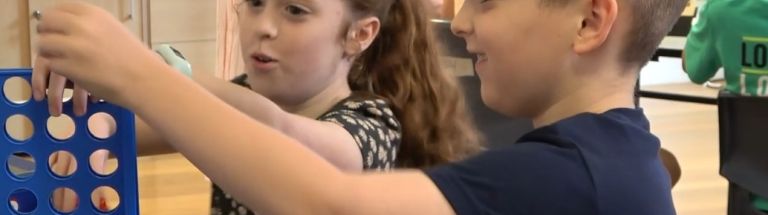
Teach social problem solving
TEACHING PRACTICE
For student years
Primary
Helps students to
- solve social problems
- become independent

Teach social problem solving (Early Childhood)
TEACHING PRACTICE
For student years
Early Childhood
Helps students to
- solve social problems
- become independent